
DIY Website & Marketing Guides for Therapists
Everything you need to build, write, optimize your therapy website.
Copywriting & Content Strategy




Design & Visual Strategy



Marketing & Practice Growth

SEO & AI Visibility

Squarespace & Technical How-Tos


Explore All Guides
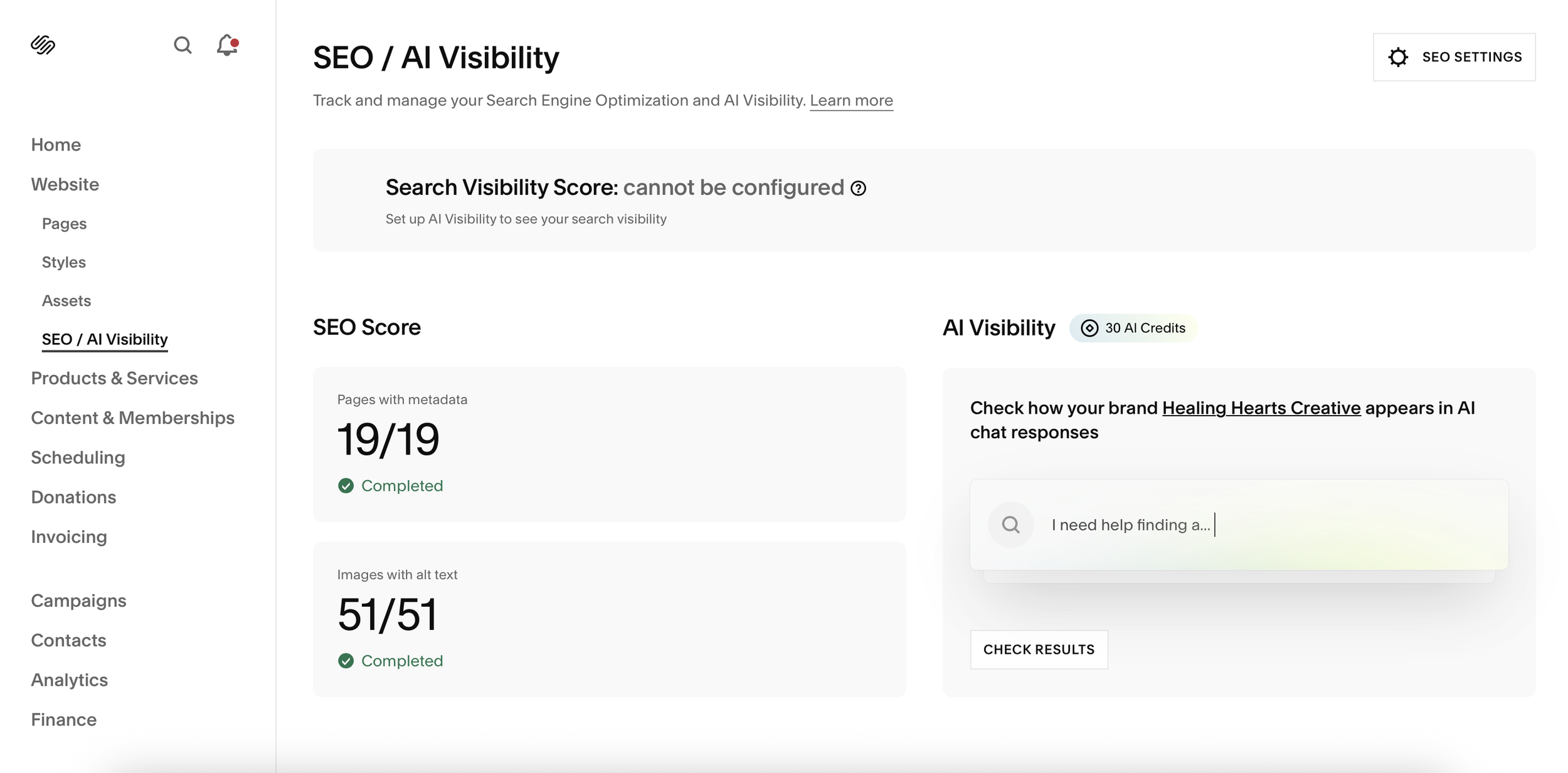
Squarespace's New SEO & AI Visibility Settings Explained: A Plain-English Guide for Therapists
Squarespace has added new AI Visibility settings to your dashboard, including a native LLMS.txt field most therapists haven't touched yet. This post walks you through exactly where to find it, what to put in it, and how to use Squarespace's built-in tools to make sure your practice is showing up accurately when AI tools like ChatGPT and Perplexity are asked to recommend a therapist in your area.

Before You Hire a Social Media Manager for Your Therapy Practice, Read This
Most therapists who hire a social media manager expect to feel relieved. A lot of them end up feeling like something is off — the content goes out, it looks fine, and somehow nothing changes. Here's why that happens, what the digital landscape actually rewards right now, and what to do differently before you hand your content over to anyone else.

Your Website Redesign Might Be Exactly the Creative Reset Your Therapy Practice Needs
A website redesign sounds like a chore. But for a lot of the therapists I work with, it turns into something they didn't see coming — a chance to reconnect with their work, rediscover their voice, and build a practice that actually reflects who they are. This post explores the hidden benefits of investing in a new website, and why it almost always ends up being about so much more than just marketing.

How to Choose the Right Photos for Your Therapy Website (Without Spending a Fortune)
Finding the right photos for your therapy website can often feel harder than it should. This post breaks down a full imagery strategy for your whole site, from where to find free stock photos that don't look like stock photos, to how to build a cohesive visual story that actually feels like you, including the visual variety mistakes that makes even beautiful websites fall flat.

Why Your Therapy Website Feels Visually "Off" — And How to Fix It
If something about your therapy website feels visually off but you can't quite put your finger on it, you're not imagining things, and the fix is probably simpler than you think. This post breaks down the most common visual rhythm mistakes on therapy websites, how to audit your own site, and why a calm, balanced visual experience matters more for your clients than you might expect.
How to Use AI to Find Out If Your Therapy Practice Is Getting Found Online (And What to Do If It's Not)
Most therapists have no idea whether AI tools like ChatGPT are recommending their practice, or what they're saying when they do. This post walks you through a simple, free experiment you can run in about fifteen minutes, how to make sense of what you find, and (most importantly) how to be gentle with yourself about whatever comes up when you do.

How to Blog for Humans and AI: A Practical Framework for Mental Health Providers
If you’re ready to start (or restart) your blog, you don't need to be a professional journalist or a tech wizard. In the age of AI, the goal isn't to write the most content; it’s to write the most human content. We are moving into the era of Generative Engine Optimization (GEO), where your blog needs to be the "trusted source" that AI assistants cite. From focusing on "Long-Tail" vulnerability to the "Slow Blogging" movement, here is a manageable four-part framework to keep your content effective without it becoming a second full-time job.

Creating Helpful, Reliable, People-First Content: A Clinicians Guide to Google’s E-E-A-T Guidelines
Google's 2026 standards for "Helpful Content" are higher than ever for clinicians. This guide translates the latest Search Quality Rater Guidelines into a practical roadmap for therapists and psychologists to build trust with both humans and AI.

Are Blog Posts Still Relevant for SEO in the Age of AI? A Guide for Therapists
If you’ve spent any time lately looking at how Google has changed, you might be feeling a bit of "search engine whiplash." Between AI-generated summaries and tools like ChatGPT becoming the new "digital front door," it’s natural to wonder if anyone is even reading blogs anymore. As a website designer for therapists, I’ve heard this concern a lot. The short answer? Yes, blogging is still relevant—but the "why" and "how" have shifted. In 2026, blogging isn't just about keywords; it’s about proving your humanity to both your future clients and the algorithms.
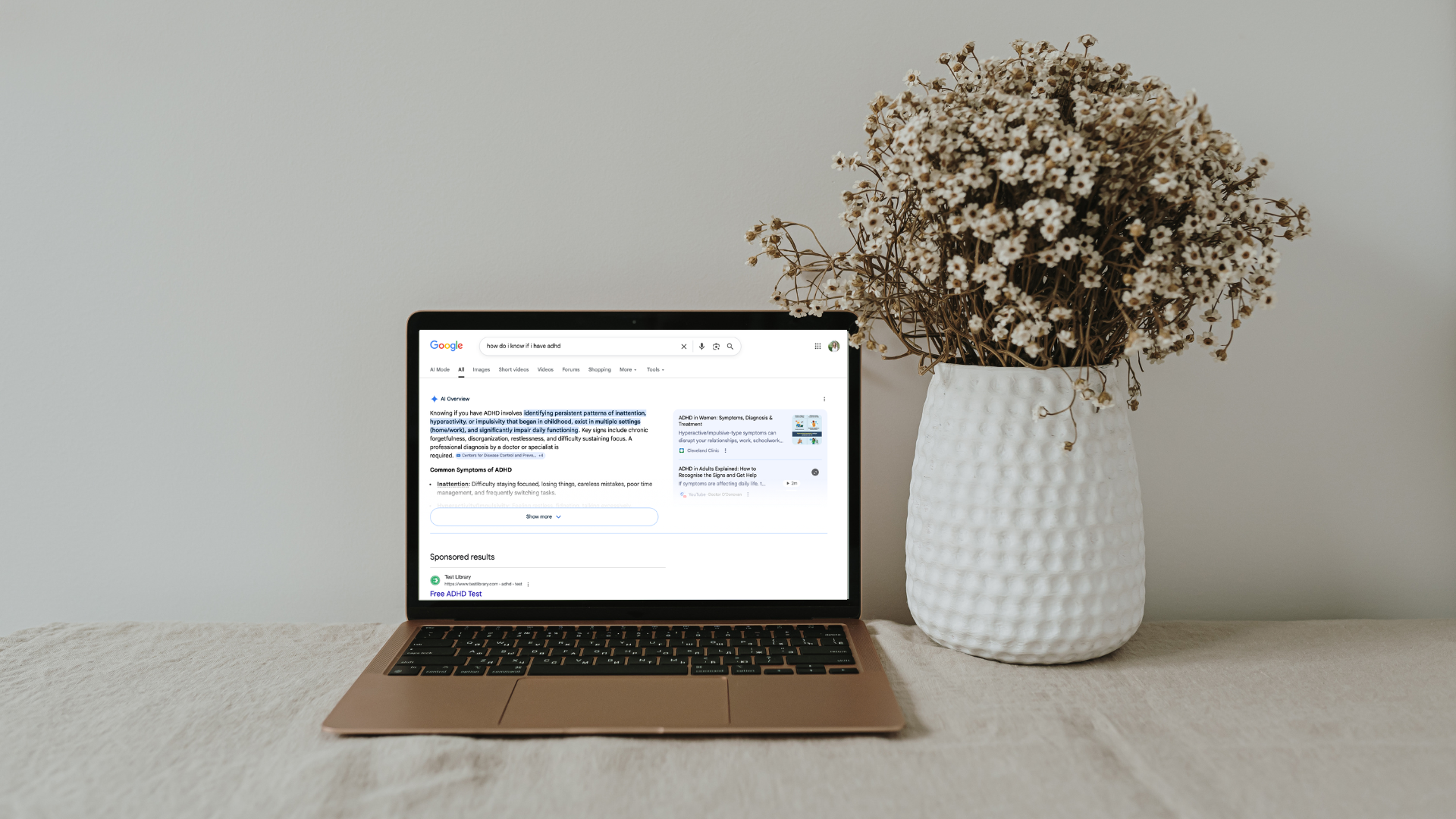
SEO, AEO, GEO: The Modern Therapist’s Guide to the Digital Alphabet Soup
In 2026, showing up for your clients starts long before they sit on your couch. We’ve moved past the era of just SEO. Today, building a sustainable practice means mastering the nuances of Search Intent (SIO) and Generative Engines (GEO). This guide demystifies the digital alphabet soup, translating complex tech into actionable steps so you can get back to what you do best: helping people heal."

Beyond the Bio: How Authentic Headshots Can Build Trust with Therapy Clients
Your "About" page is the digital front door to your practice. While your words matter, potential clients often decide if they want to reach out based on your photos first. Whether you’re DIY-ing your headshots or hiring a pro, here is how to curate imagery that feels authentic, professional, and uniquely you—exactly as you are in this season.

Where to Start With Marketing Your Therapy Practice
Marketing your therapy practice doesn’t have to feel overwhelming or forced. Start with one or two channels that feel natural to you, and let your authentic connections attract clients who are the best fit. This post includes reflection prompts and examples to help you choose your first steps with confidence.

Why Your Therapy Website Needs Individual Specialty Pages
Many therapists tuck all their services into one page, but creating individual specialty pages can make your website clearer, more grounded, and easier for clients to navigate. This post explains why these pages matter, how they support SEO, and includes gentle prompts to help you decide where to start.

One-Time SEO vs. Ongoing SEO: What Therapists & Wellness Providers Need to Know to Stay Competitive
Wondering whether you really need ongoing SEO or if one-time optimization is enough for your therapy or wellness practice? This post breaks down the difference, what each approach includes, and how to choose what supports your goals — from getting more inquiries to growing your caseload sustainably.

Squarespace’s New SEO-AIO Tools: What Therapists & Healthcare Providers Need to Know
quarespace’s new AI-powered SEO tools, released in July 2025, are a game-changer for therapists and healthcare providers looking to get found online without the headache. Let’s break down what’s new and how you can use it to grow your visibility—and your client base—with less stress.

Why Thoughtful Imagery Matters on Your Therapy Website
The photos on your website aren’t just decoration—they’re one of the first things potential clients feel. Thoughtful imagery helps you build trust, create emotional resonance, and communicate your approach before a single word is read. In this post, we’ll explore how to choose images that match your niche and location, reflect your brand palette, and help people feel genuinely welcomed into your online space.

Why Every Therapist’s Website Needs a FAQ Section
A well-crafted FAQ section isn’t just nice to have—it’s a powerful tool to build trust with potential clients, improve your site’s SEO, and answer the questions people are already searching for. Whether on your About page, service pages, or as its own page, FAQs help you connect authentically and clearly with your ideal clients. Ready to add one to your website? Here’s why it matters and how to do it well.
How to Use ChatGPT and AI to Enhance Your Therapy Blog Without Losing Your Authentic Voice
AI can be a valuable tool for therapists looking to enhance their blog content without compromising their authenticity. In this post, explore how ChatGPT and AI can help you write compelling blogs, encourage engagement, and guide potential clients toward seeking support.

How to Write an Effective, Optimized Blog Post for Your Therapy Practice
A well-written blog can do more than boost your therapy practice’s SEO—it can serve as a resource for current clients, attract aligned new clients, and showcase your unique approach. Learn how to write blog posts that reflect your brand’s voice, engage readers, and rank well in search engines.

How to Craft an Engaging Therapist Bio: Tips for Standing Out and Connecting with Clients
Your therapist bio is more than just a list of credentials—it’s an opportunity to connect with potential clients on a personal level. Crafting a bio that reflects your personality, values, and approach to therapy can make you more relatable and approachable. In this post, we share practical tips for writing a bio that stands out, builds trust, and encourages potential clients to reach out.