
SEO, AEO, GEO: The Modern Therapist’s Guide to the Digital Alphabet Soup
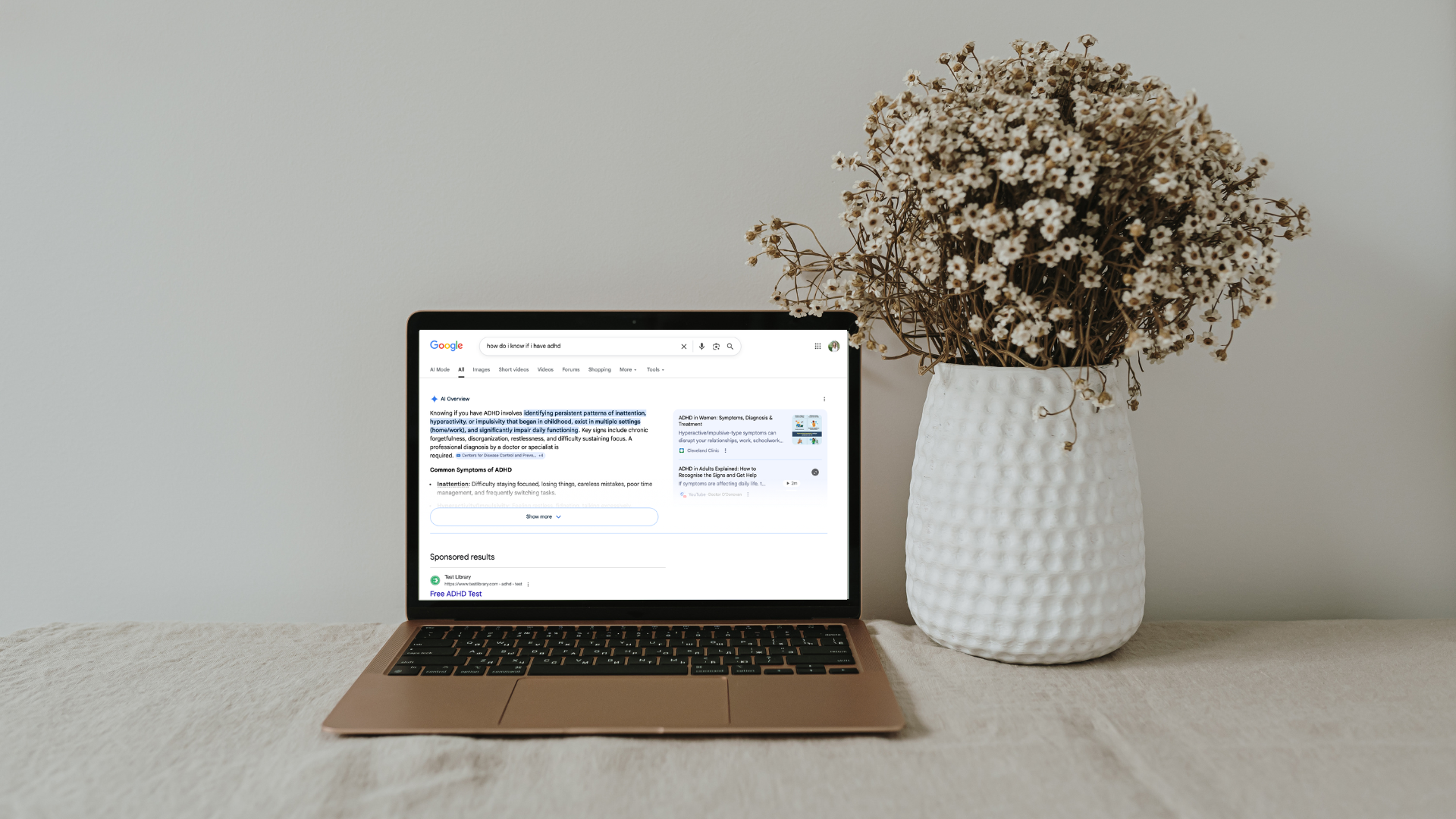
If you’ve been researching how to get your private practice to show up on Google lately, you’ve probably run into a wall of acronyms. It used to just be SEO. Now, we’re hearing about SIO, GEO, and AEO.
As a website designer and copywriter for the mental health space, I’m here to translate "Tech" into "Human." Here is a quick breakdown of what these terms actually mean for your practice in 2026—and why you don’t need a computer science degree to master them.
1. SEO (Search Engine Optimization)
The "Foundation" SEO is the practice of organizing your website so that search engines can "read" it. It involves the technical health of your site—things like how fast it loads, if it works on a phone, and if your "headers" are labeled correctly.
The Goal: To be technically sound so Google doesn't ignore you.
The Focus: Site speed, mobile-friendliness, and "back-end" structure.
2. SIO (Search Intent Optimization)
The "Empathy" Layer SIO is where you shine as a clinician. It’s the process of understanding the intent behind a search. Is the person looking for information ("What is EMDR?"), or are they ready to book a session ("EMDR therapist near me")?
The Goal: To provide the exact type of help the user is looking for in that specific moment.
The Focus: Matching your content to the user's emotional state and needs.
3. GEO (Generative Engine Optimization)
The "Citation" Strategy This is the newest shift for 2026. "Generative Engines" (like Google’s AI Overviews, Perplexity, or ChatGPT) don't just give a list of links; they write a summary for the user. GEO is the art of getting those engines to cite you as the source or recommendation.
The Goal: To have the AI say, "According to [Your Practice Name], the best way to handle holiday boundaries is..."
The Focus: Unique clinical perspectives and personalized copy that address the latest guidelines for improving search visibility (See post about E-E-A-T: Experience, Expertise, Authoritativeness, and Trustworthiness).
4. AEO (Answer Engine Optimization)
The "Direct Hit" AEO focuses on Voice Search and direct, conversational questions. Think of someone asking their phone: "How do I know if my child needs an ADHD assessment?” or “My partner and I fight a lot. How can I communicate better?”
The Goal: To be the single, definitive answer provided by a voice assistant or a "Featured Snippet" at the top of the page.
The Focus: Using "Natural Language" (writing exactly how people talk) with FAQ styled content or clear FAQ sections.
How They Work Together
Imagine a potential client is struggling with burnout.
SIO helps you realize they are searching for "Why am I so tired even after sleeping?" (Informational Intent).
SEO ensures your blog post on "High-Functioning Anxiety and Sleep" loads instantly on their phone.
GEO allows an AI tool to summarize your unique "3-step wind-down routine" and link back to your site.
AEO ensures that when they ask Siri, "Who is the best burnout therapist in Denver?", your practice is the answer.
The Bottom Line
In 2026, the "best" optimization is still authenticity. The more you sound like a compassionate expert and the less you sound like a marketing brochure, the more the "engines" (and the humans) will love you.
Stop Drowning in the Alphabet Soup: Get Support With Your Website & Blog Today
You went to school to help people heal, not to decode Google’s latest algorithm updates. Whether you’re a solo therapist or a growing group practice owner, my team is here to handle the technical heavy lifting, from ADA compliance to GEO-optimized copy. We help you clarify your niche so that the right clients (and the right "Answer Engines") can find you instantly.
Want a website that works as hard as you do?
Download our Free "Alphabet Soup" Cheat Sheet]
